


A quick thank you to everyone who reads this. I wanted to let you in on how the nuance is evolving. Lately, the goal has been simple: break down polarizing topics so you can think for yourself. But the more I dig into these issues, the more I find the mainstream conversation misses the foundational stuff that makes the headlines make sense.
I’m brushing up on a lot of this “civic education” myself. Ultimately, this space is an exploration of what it looks like to be an engaged American citizen today. And it’s worth figuring out together, because that gap between consuming politics and understanding where you fit in is what makes most of us feel like spectators in our own political lives.
Closing that gap is what I hope the nuance helps you do. So expect the same structure and Friday cadence, but with one new layer: the civic context most coverage skips. How the system behind the week’s story actually works and where you fit in it.
Citizenship is a skill. We’re going to practice it.
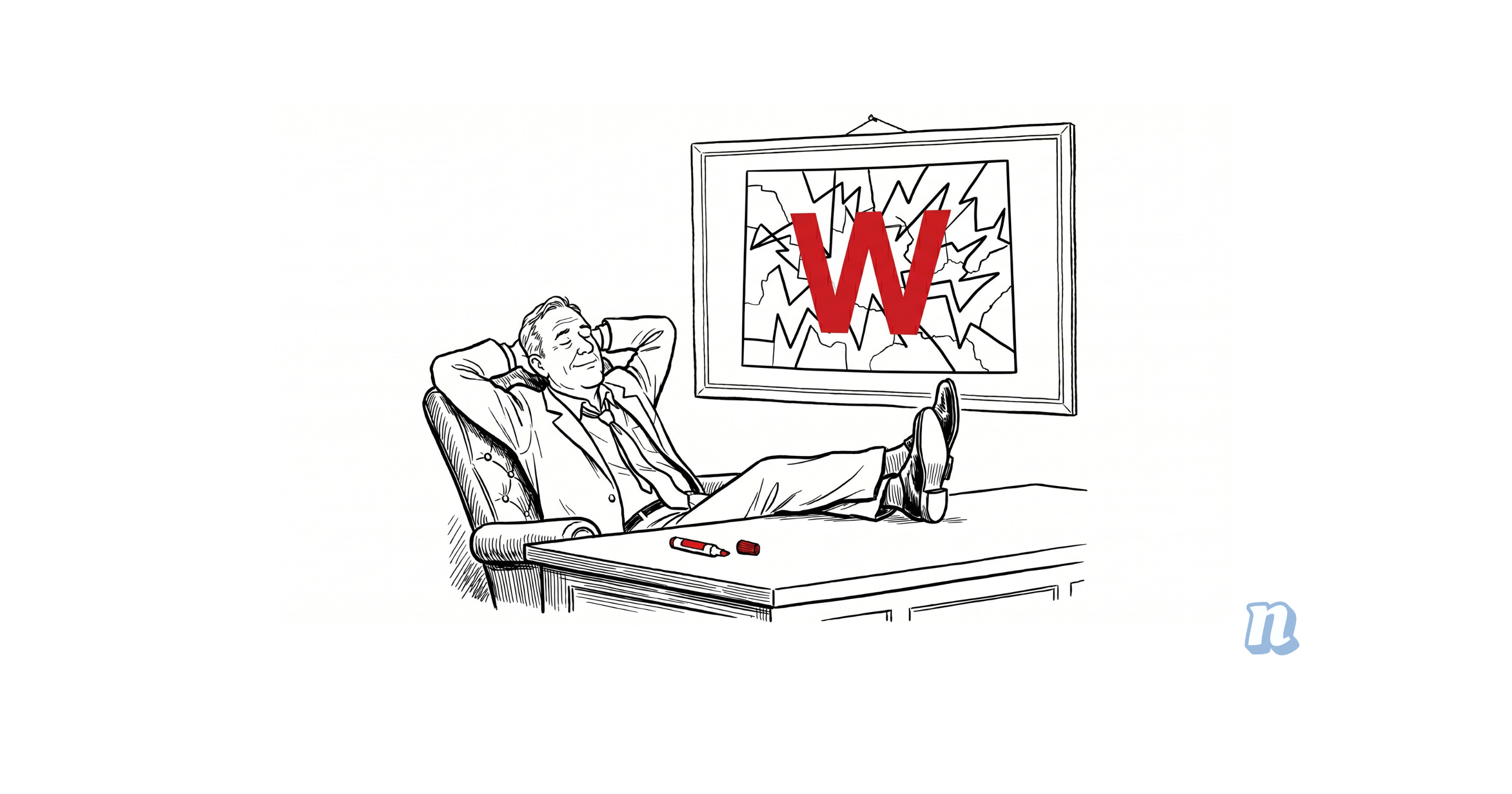
TODAY’S REP: Gerrymandering
After every census (every ten years), the party in power in each state redraws the district maps that determine who runs against whom, and which voters show up to the polls.
If that already sounds absurd, it is, but it’s the default way it’s always been done. The Constitution left election administration to the states, and states handed it to whoever was already in charge.
For most of American history, it was handled badly but relatively quietly. Then, technology changed the equation. Granular census data and sophisticated mapping software turned gerrymandering from a blunt-force instrument into a precision tool, allowing parties to model the partisan outcome of every possible map before drawing a single boundary. Most people blame political polarization on cable news and the algorithm. The maps are doing more of that work than most coverage says.
The 2020 cycle produced some of the most aggressively drawn maps in history, and courts have been fighting over them ever since.
One take is that it’s a systematic rigging of democracy. Another is that it’s technically legal, and both parties play the game, so the outrage on either side is selective in nature.
the mechanism underneath: packin’ and crackin’
Two moves make gerrymandering work:
Packing: Stuffing your opponents’ voters into as few districts as possible so their votes pile up uselessly (because the race is already a landslide for one side)
Cracking: Splitting their voters across multiple districts so they’re never a majority anywhere.
If you do both well, you can win 60% of the seats with 50% of the votes.
What this means: The maps pretty much determine the math before a single vote is cast. Insane.
the nuance
“Both sides do it” is accurate, but gets us nowhere
Mutual bad behavior doesn’t make the behavior any better. After 2010, Republicans ran a coordinated national strategy called REDMAP — the goal was to flip state legislatures before the census triggered redistricting. In most states, whoever controls the legislature controls who draws the maps, so if you win the statehouse, you own the lines.
The Supreme Court (SCOTUS) stepped back, which made everything messier.
In 2019, SCOTUS ruled it couldn’t touch partisan gerrymandering at the federal level. That pushed the fights into state courts, some of which have thrown out maps entirely, others that have let nearly identical ones stand. So, the outcome depends less on the law than on which state you happen to live in. No national standard means no coherent accountability.
safe seats don’t just protect incumbents; they radicalize candidates
Pack and crack enough districts, and the general election stops mattering, making the only real competition the primary. Primaries reward ideological purity: you’re trying to out-play people who already agree with you, not persuade anyone new.
Do that across a lot of districts and you’ve practically engineered a legislature that selects AGAINST candidates who can actually govern the masses. Broad appeal becomes a liability.
the people who could fix it won’t
The people with the power to fix it are the people who benefit from it. This means reform only sounds urgent to whichever party is currently losing the map fight, so the problem never feels urgent to anyone actually equipped to act. Why would they? They’re incentivized not to.
the real question
The deeper question gerrymandering raises: if the rules of competition are written by the competitors, can the outcome ever be legitimate? We assume the problem is who wins elections, but gerrymandering suggests the problem is who gets to decide what a fair election looks like in the first place.
what this means for you
I came into writing this one thinking gerrymandering was a second-tier issue. I hear the conversation periodically, but typically write it off as a complaint post- or pre-election.
What I didn’t realize was how much of the polarization problem, which I tend to blame on cable news and the algorithm, traces back to these maps. This idea that radicalization isn’t only a media output, but an institutional one. It’s the perfect model of how incentives, not intentions or values, drive real outcomes.
This week, a friend reminded me that government remains the most powerful lever we have for lasting change, and I believe that.
But it’s also overdue for a serious refresh — and gerrymandering feels like one of those issues (similar to money in politics) that we can all agree is bad.
The good news: a legitimate fix exists and is moving things in the right direction. Independent redistricting commissions (IRCs) remove the map-drawing from the legislature and give it to a different body, and versions of this have been passed by voters in Michigan, Colorado, Arizona, and others.
They don’t produce perfect maps, but they at least shift from politicians optimizing for their own gain to a more public process.
So if you care about polarization or accountability, this is a place to focus. Independent redistricting commissions.
Stay up.
j
go deeper
1. Find out who draws the maps in your state — Unite America’s redistricting tracker shows you exactly where your state stands and whether reform is on the table.
2. Learn how independent commissions actually work: Ballotpedia’s redistricting commission overview breaks down which states use them, how commissioners get selected, and what authority they actually have.
3. See what a successful reform looks like: Michigan went from one of the most aggressively gerrymandered states in the country to one of the most balanced maps, after voters passed a ballot initiative in 2018. Common Cause has the full breakdown.
4. If you want to go further: Campaign Legal Center is one of the main organizations actively fighting for redistricting reform nationwide. Good place to plug in.